What is Post-Stroke Rehabilitation?
After a stroke, many people need help to regain lost skills. Post-stroke rehabilitation is a set of treatments and exercises. It helps people recover movement and strength. This process starts soon after a stroke. It often includes physical therapy, speech therapy, and other support. The main goal is to help people return to daily life. According to the CDC, early rehab can improve recovery and quality of life.
Why is Restoring Movement and Strength Important After Stroke?
Many stroke survivors lose some ability to move or use their muscles. Because of this, daily tasks like walking or dressing can become hard. However, restoring movement and strength helps people become more independent. It also lowers the risk of falls and other injuries. In addition, it can boost confidence and mood. For these reasons, focusing on movement and strength is key in stroke recovery.
Common Symptoms and Challenges After Stroke
After a stroke, people may face many challenges. Some common symptoms include:
Because these symptoms vary, each person’s recovery is different. Yet, many people can improve with the right support and exercises.
Evidence-Based Rehabilitation Techniques
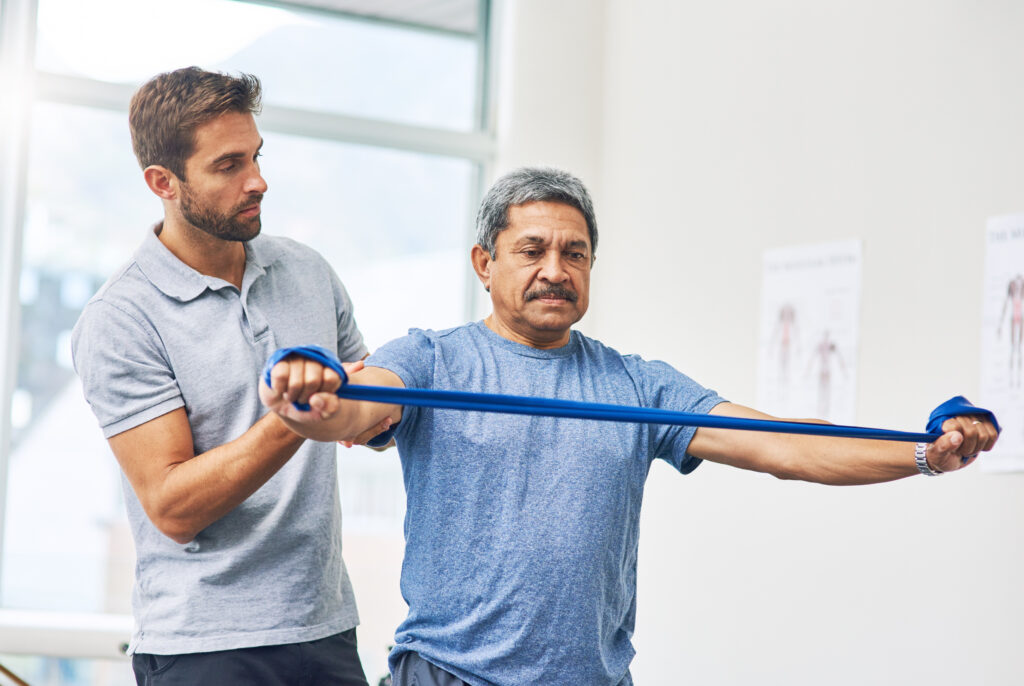
Doctors and therapists use proven methods to help stroke survivors. For example, some common stroke recovery exercises include:
Moreover, some people may use special devices or technology. These tools can help improve movement and speed up recovery. According to the World Health Organization, starting rehab early leads to better results.
Role of Physiotherapy in Recovery
Physiotherapy after stroke is very important. A physiotherapist creates a plan based on each person’s needs. They teach safe ways to move and prevent injuries. In addition, they guide stroke recovery exercises and track progress. Regular sessions can help regain strength after stroke. Over time, many people see big improvements with physiotherapy support.
Home Exercises and Lifestyle Tips
Besides therapy sessions, home exercises are vital. With a doctor’s advice, you can try simple activities, such as:
Furthermore, a healthy lifestyle supports recovery. For example, eat balanced meals, stay hydrated, and get enough rest. Avoid smoking and limit alcohol. These steps help your body heal and lower the risk of another stroke.
Prevention of Further Complications
After a stroke, it is important to prevent new problems. For instance, regular movement helps avoid stiff joints and blood clots. Good skin care can stop sores. Also, keeping active lowers the chance of more strokes. Always follow your doctor’s advice and take medicines as prescribed. This way, you can stay safer during recovery.
When to Seek Professional Help
Sometimes, recovery at home is not enough. You should contact a doctor or therapist if you notice:
Additionally, stroke rehabilitation centers near you can offer extra support. Early help can make a big difference in your recovery journey.
Conclusion
In summary, post-stroke rehabilitation is key to restoring movement and strength. With the right care, many people regain skills and enjoy better lives. Consult a physiotherapist or rehabilitation specialist for personalized stroke recovery guidance.